
Social
Human Rights & Community
The Group is committed to respecting the dignity, equality, and safety of every individual within its workforce, supply chain, and operating communities. Its Human Rights and Community commitments are guided by the Universal Declaration of Human Rights (UDHR), the International Labour Organization (ILO) Core Conventions, and Malaysia’s Employment Act 1955 and Occupational Safety and Health (Amendment) Act 2022.
Keyfield recognises the principles set out in the Children’s Rights and Business Principles developed by UNICEF, the UN Global Compact and Save the Children and is committed to respecting children’s rights in its business activities and business relationships. While children are not typically involved in the Group’s operations and value chain, the Group seeks to avoid adverse impacts on the rights, welfare, safety and well-being of children where relevant.
Governance and Oversight
Human Rights and Community matters fall under the oversight of the Board of Directors, with operational implementation led by the QHSE Department and the Human Resources Department. The Board reviews policies covering employee welfare, fair treatment, and community investment to ensure that all practices remain consistent with national legislation and international norms.
Relevant human rights risks (including labour) and their impacts are captured in the Human Resources Department’s and Crewing Department’s risk register, which are assessed on a quarterly basis. Mitigation measures to manage identified risks based on their respective risk profiles are implemented and documented in the risk register, in accordance with the Company’s published Enterprise Risk Management (“ERM”) Framework. In addition, as part of the ERM Framework, the Company conducts special risk assessments on a need basis for new operations or projects prior to undertaking them, taking into consideration potential risks, including human rights and labour-related risks.
Human Rights and Labour Practices
Keyfield’s Code of Conduct uphold a zero-tolerance stance on any form of discrimination, forced labour, or child labour. Employment and promotion decisions are based solely on merit, qualifications, and performance.
All workers whether permanent, contract, or third-party crew are guaranteed:
- Fair working hours and lawful wages, aligned with the Employment Act 1955 or/and Maritime Labour Convention 2006 (MLC 2006);
- Freedom of association and the right to voice workplace concerns without retaliation;
- Safe, healthy, and respectful working environments, consistent with ISO 45001 and the MLC 2006; and
- Non-discrimination based on race, gender, religion, or nationality.
Crew members receive Letters/Contracts of Employment that explicitly outline their rights, benefits, and grievance channels. Any reported grievances are handled confidentially and resolved through a structured escalation process.
Supply Chain Human Rights Screening
In line with the Group’s sustainable-procurement principles, all suppliers and contractors are required to comply with Malaysian labour laws and internationally recognised human rights standards. Vendors must declare adherence to ethical conduct and safety criteria as part of Keyfield’s vendor registration and evaluation process.
Periodic supplier audits and questionnaires are conducted to ensure that no forced labour or child labour practices occur within the supply chain.
Community Engagement and Social Investment
Keyfield strives to create positive social impact through education, environmental protection, and community-welfare initiatives in the regions where it operates. In FYE 2025, Keyfield invested RM369,574 in community and CSR initiatives, benefiting 33 beneficiaries across Malaysia. In addition to wider outreach through education and environmental initiatives. Activities spanned education, welfare, clean-water access, youth development, and environmental awareness, reflecting our support of the UN Sustainable Development Goals (SDG 4 – Quality Education, SDG 6 – Clean Water and Sanitation, and SDG 11 – Sustainable Communities).
Keyfield has also established an internal target of contributing 0.1% of net profit towards Corporate Social Responsibility (CSR) initiatives, focusing on supporting underprivileged and vulnerable groups through meaningful and sustainable programmes.
In FYE 2025, Keyfield continued funding monthly rental expenses for PEKASIH, supported the PTTEP 40th Anniversary Charity Fun Run in aid of three NGOs, and participated in the MOSVA-led coastal and marine conservation programme at Bagan Lalang Beach, Sepang on 27 July 2025. The programme included coastal clean-up, release of marine and freshwater species, and a marine-themed mural to promote ocean-conservation awareness.
These initiatives underscore Keyfield’s belief that business success must contribute to the well-being of people and the planet.
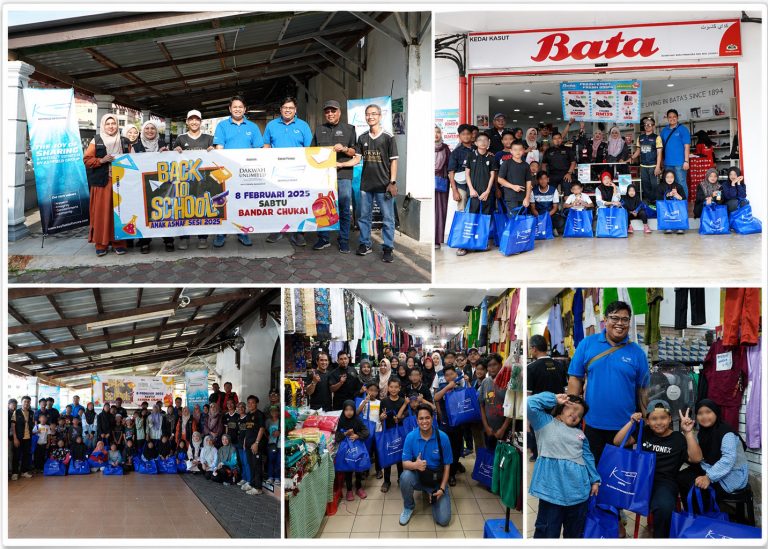
We partnered with Dakwah Unlimited and held a ‘Back to School’ ESG program in Bandar Chukai, Terengganu.
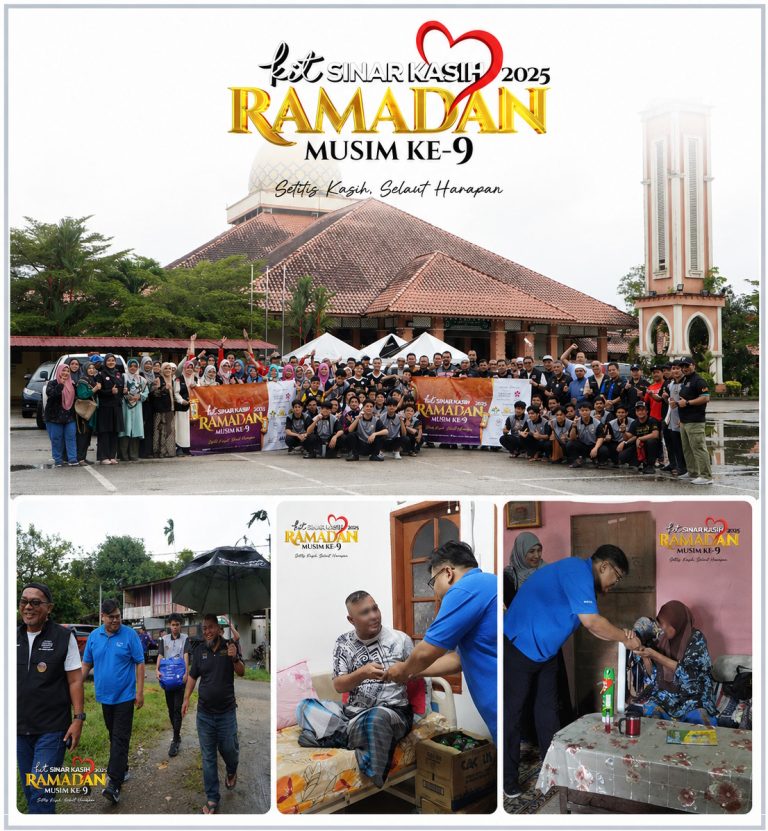
Keyfield is proud to again be one of the main sponsors of the Kit Sinar Kasih Ramadan program,
alongside other dedicated partners.
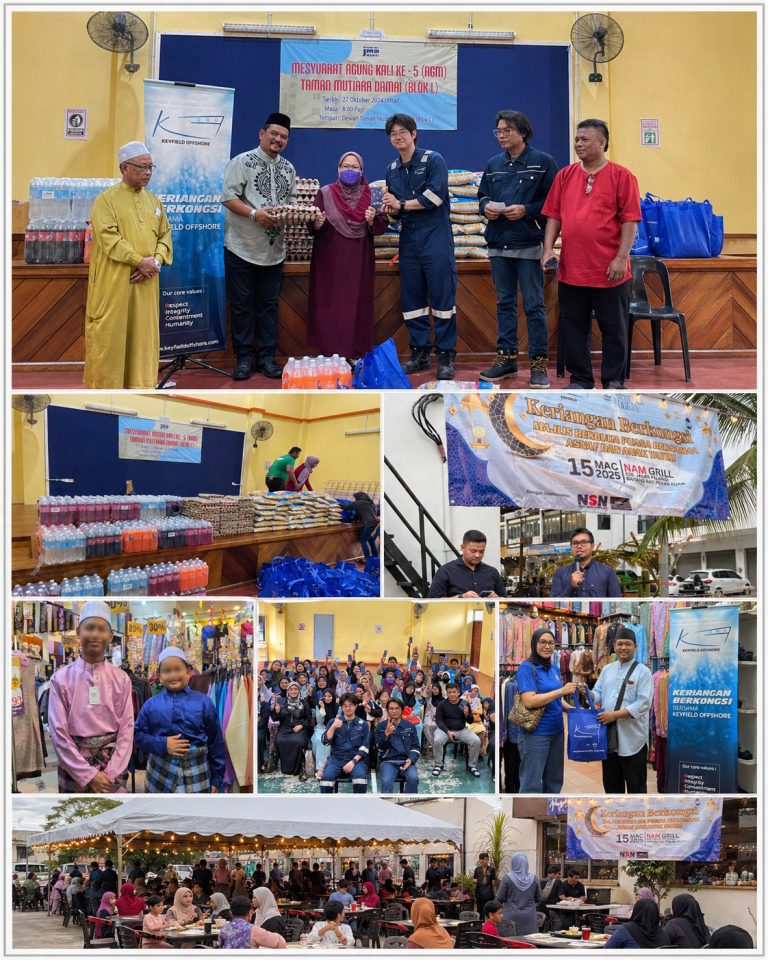
During the month of Ramadhan, we had the privilege of spreading joy and support across different communities through a series of meaningful ESG initiatives, Langkawi, Kota Kinabalu, Labuan.
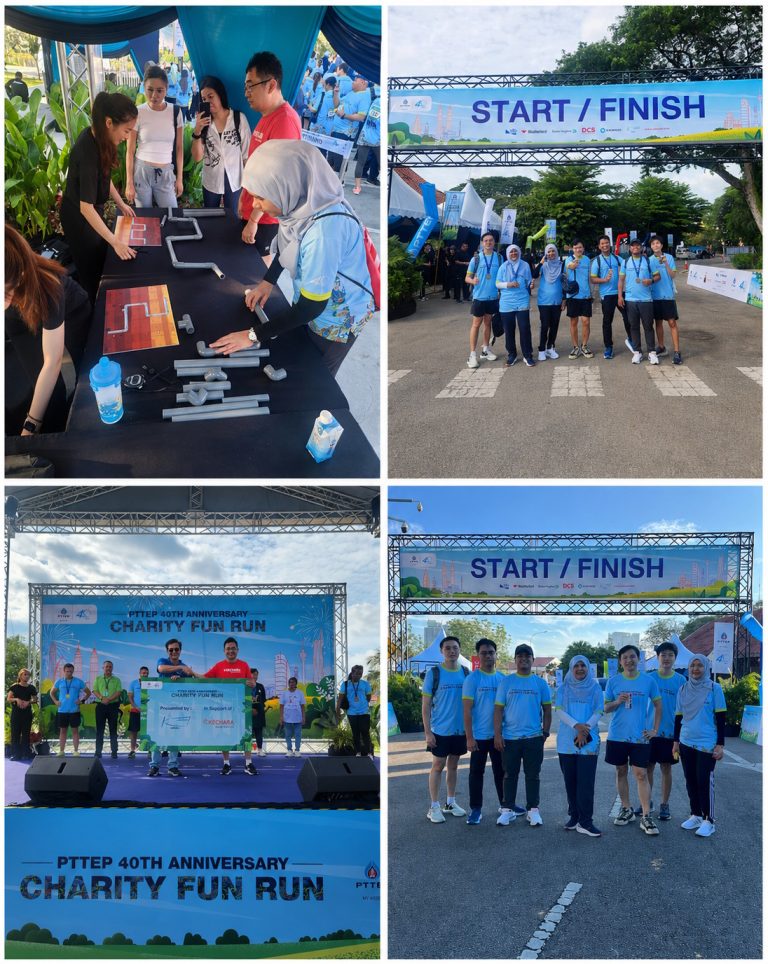
Keyfield was proud to support the PTTEP 40th Anniversary Charity Fun Run by contributing both through a donation and sending enthusiastic representatives to participate in the run.
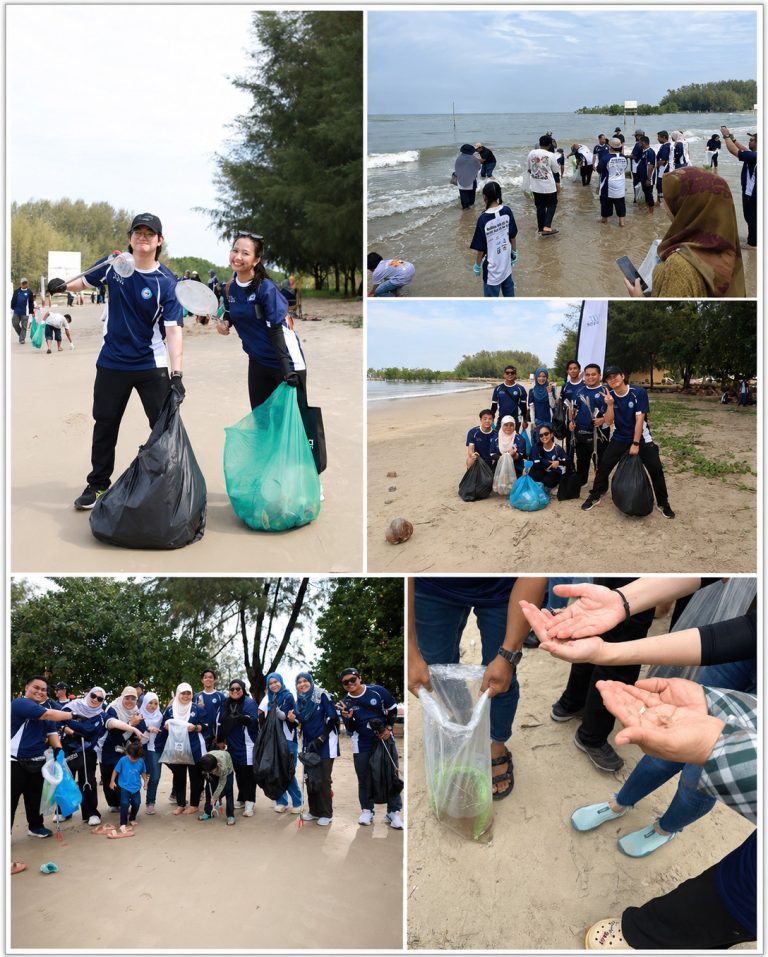
Our dedicated volunteers participated in a variety of impactful activities at Bagan Lalang Beach, including beach and hatchery cleaning, the release of marine species, and contributing to a vibrant mural painting that promotes ocean awareness.
Through these initiatives, Keyfield continues to strengthen its connection with surrounding communities while fostering employee participation in meaningful causes.
Anti-Corruption and Ethical Conduct
All employees and contractors are bound by Keyfield’s Anti-Bribery and Corruption Policy, which prohibits facilitation payments, improper gifts, and conflicts of interest. The Group maintains transparent financial processes for all donations and sponsorships, ensuring that contributions serve legitimate social or environmental objectives.
Performance and Continuous Improvement
Keyfield monitors the effectiveness of its human rights and community programmes through feedback surveys, CSR participation records, and periodic management reviews. In 2024, over 80% of CSR initiatives were employee-driven, reflecting strong internal engagement and alignment with the Group’s values of integrity, accountability, and compassion.
A total of 37 training and development programmes were conducted during FYE 2025 for office-based employees across all levels of the organisation. Employees recorded an average of 21.1 training hours, equivalent to approximately 2.8 training days per employee based on a 7.5 hours workday, covering a broad range of topics including technical, operational, governance, compliance, sustainability, finance, health and safety, and leadership development.These training programmes are designed to enhance our employees’ skills across various areas.
Moving forward, Keyfield aims to:
- Formalise a Human Rights Policy aligned with UN Guiding Principles on Business and Human Rights (UNGPs);
- Develop a Human Rights Due Diligence Framework for suppliers and contractors;
- Expand community programmes focusing on education, coastal protection, and youth empowerment; and
- Enhance monitoring and disclosure of social-investment impacts in future sustainability reports.
Keyfield remains committed to conducting its business with respect for people and communities. By embedding human rights principles and contributing to local wellbeing, the Group reinforces its role as a responsible and trusted corporate citizen within Malaysia’s maritime and offshore sector.
Health & Safety
The Group’s safety culture is built on proactive risk management, strict regulatory compliance, and continuous improvement guided by internationally recognised frameworks. Keyfield’s Health & Safety Management System is certified to ISO 45001:2018, demonstrating conformance with global best practices for hazard identification, risk control, and continual improvement in workplace safety and wellbeing.
Keyfield is pleased to report 0 fatalities and 0 recorded Lost-Time Injuries (LTIs) among 100% of its office-based employees and contract-based crew over the past three years, from FYE 2023 to FYE 2025, resulting in a Lost-Time Injury Rate (LTIR) of 0 based on 1,801,428 hours worked in FYE 2025 (FYE 2023: 1,770,128 hours; FYE 2024: 1,842,428 hours). For the purpose of this disclosure, contract-based crew are considered employees of the Group.
Definition:
Lost Time: Refers to the period of work time lost when an employee is unable to perform their normal work duties as a result of a work-related injury. The indicator measures the resulting loss of work time or productivity and does not necessarily reflect the severity or extent of harm suffered by the employee.
LTI : A work-related injury that results in the individual being unfit for work on the next scheduled shift or working day following the day of the injury.
LTIR: Calculated as the number of LTIs multiplied by 1,000,000 and divided by total hours worked. The indicator measures the resulting loss of work time or productivity and does not necessarily reflect the severity or extent of harm suffered by the employee.
Keyfield tracks safety performance using leading and lagging indicators, including near miss frequency, audit findings, and corrective action closure rates. The Group set a target to maintain 0 LTIs throughout the reporting period. In FYE 2025, Keyfield achieved this target, recording 0 fatalities and 0 LTIs across 1,801,428 hours worked. Internal audits and management reviews are conducted annually, while independent third-party assessments verify continued compliance with ISO 45001 certification requirements.
Governance and Oversight
Health and safety governance is overseen by the Board of Directors, supported by the Senior Vice President (Fleet Management) and the Quality, Health, Safety and Environment (QHSE) Department. The Board receives quarterly updates on safety performance, incident trends, and audit findings, and reviews the effectiveness of corrective actions to uphold the Group’s zero-incident commitment.
Safety Management System
Keyfield’s operations are governed by an integrated Safety Management System (SMS) that aligns with:
- SOLAS (International Convention for the Safety of Life at Sea) requirements,
- The International Safety Management (ISM) Code, and
- Malaysia’s Occupational Safety and Health Act.
The SMS covers procedures for risk assessment, emergency response, incident investigation, and personal protective equipment (PPE) management. Regular internal and external audits ensure that all safety protocols remain effective and compliant with international standards.
Management of Change (MOC)
Keyfield enforces a formal Management of Change (MOC) system to ensure that no modification, procedure, or personnel change compromises safety or environmental integrity. Each proposed change is assessed for potential safety, health, and environmental impacts before implementation, with approvals obtained from the appropriate management level. Temporary or emergency changes undergo revalidation and review to maintain safety consistency across all operations.
Crew Welfare and Occupational Protection
Crew welfare is a core component of Keyfield’s safety approach. Each crew member’s employment terms clearly outline safety obligations and rights, including:
- Provision of proper PPE and training in its use;
- Compliance with strict no-alcohol and no-drug policies;
- Access to medical care, insurance coverage, and repatriation support in line with the Maritime Labour Convention (MLC 2006); and
- Ongoing safety briefings, toolbox talks, and emergency drills both onboard and ashore.
Emergency Preparedness and Training
Every vessel maintains a comprehensive Emergency Response Plan covering fire, collision, oil spill, and evacuation scenarios.
All personnel undergo mandatory safety induction, incident reporting, and permit to work training. Training needs arising from operational changes are identified through the MOC process, and attendance is documented to ensure continuous competence development.
Performance and Continuous Improvement
Keyfield tracks safety performance using leading and lagging indicators, including near miss frequency, audit findings, and corrective action closure rates. In FYE 2025, Keyfield recorded zero fatalities and zero lost-time injuries (LTIs), maintaining its safety performance across 1,801,428 hours worked. Internal audits and management reviews are conducted annually, while independent third-party assessments verify continued ISO 45001 certification compliance with a target to maintain zero lost-time injuries (LTIs) throughout the reporting period. In FYE 2025
Keyfield also benchmarked its safety performance against the International Marine Contractors Association (IMCA) Safety Statistics 2025, published in July 2026. The industry LTIFR reported by IMCA for 2025 was 0.27 per million hours worked, compared with Keyfield’s LTIFR of 0.00 per million hours worked.
Looking Ahead
The Group’s future focus includes:
- Strengthening collaboration with regulators and clients through joint safety campaigns.
- Maintaining ISO 45001 certification through regular internal and external audits and management reviews.
Keyfield remains dedicated to ensuring the safety, health, and wellbeing of all personnel. Through strong governance, systematic management, and continuous improvement, the Group strives to achieve its vision of zero harm and a resilient safety culture.
Labour Standards
Keyfield recognises that respect for human rights and adherence to international labour standards are the foundation of responsible operations. Guided by the Universal Declaration of Human Rights (UDHR), ILO Core Conventions, the Maritime Labour Convention (MLC 2006), and Malaysia’s Employment Act 1955, the Group ensures that every individual within its workforce, supply chain, and local communities is treated with dignity, fairness, and respect.
Policy & Governance
Human rights and labour-standard commitments are embedded in the Group’s Human Rights Policy, formally endorsed by the Board of Directors and circulated to all employees through internal email communication and acknowledgement logs.
The policy outlines Keyfield’s commitments to:
- Uphold freedom of association, collective bargaining, and equality of opportunity.
- Prohibit all forms of forced, bonded, or child labour.
- Ensure non-discrimination in recruitment, compensation, promotion, and training.
- Provide safe, secure, and healthy working conditions.
Governance oversight lies with the QHSE and Human Resources Departments, which report periodically to the Board on compliance status, training coverage, and grievance trends.
Fair Recruitment & Employment Practices
Keyfield supports the principle of a living wage by maintaining entry-level wages above Malaysia’s statutory minimum wage. In FY2025, the Company’s entry-level wages were approximately 1.5 times the statutory minimum wage for male employees and 1.6 times for female employees. This reflects the Company’s commitment to providing fair wages that meet or exceed the minimum wage requirements set by Malaysian law as set out in its Human Rights Policy.
Recruitment is conducted under documented procedures (Recruitment Procedure Rev. 2, Hiring Requisition Form Rev. 5, and Interview Evaluation Form Rev. 2) that enforce transparent, merit-based hiring and prohibit bias on social status, gender, race, age, or nationality, while providing opportunities for individuals without formal education or qualifications where appropriate to the requirements of the position. Every candidate undergoes reference and background checks using the Reference Check Form Rev. 1, ensuring integrity and suitability before employment.
All seafarers and onshore staff are engaged under formal Letters/Contracts of Employment, stipulating lawful wages, social-security contributions, medical coverage, and repatriation benefits consistent with the Employment Act 1955 and Maritime Labour Convention (MLC 2006). Compliance with both statutory requirements are documented through Employment Checklists and Personal File Checklists as part of the onboarding process.
Compliance with both statutory requirements are documented through Employment Checklists and Personal File Checklists as part of the onboarding process.
Diversity, Equality & Non-Discrimination
Keyfield promotes equal opportunity across all operational levels. Job Descriptions and Performance Appraisals (Rev. 4) emphasise competency and contribution as the basis for advancement. The Group prohibits harassment, intimidation, and unfair treatment, reinforcing this through the Employee Handbook (Rev. 5) and regular HR briefings.
As of FY2025, no employees have self-declared a disability. The Company maintains equal opportunity employment practices in line with the Employment Act 1955 and does not discriminate on the basis of disability, gender, or background.
Employee Welfare & Grievance Redressal
A structured grievance mechanism ensures employees can voice concerns freely. The Crew Complaint Procedure outlines the formal steps for submitting and handling complaints, while the Whistleblowing Channel provides an additional confidential reporting avenue.
Reports are investigated objectively by designated personnel, with protection against retaliation. Outcomes and corrective actions are tracked to closure. This framework aligns with the Whistleblowing Policy in the Employee Handbook and supports the Group’s Anti-Bribery and Corruption principles.
Training & Capacity Building
Keyfield fosters continuous learning through a structured Training and Development Procedure and Training Requisition Forms.
All employees receive induction on the Human Rights Policy, Code of Conduct, Anti-Bribery & Corruption and Health & Safety standards. In 2024–2025, Keyfield achieved significant milestones in supplier-sustainability capacity building through the PETRONAS Supplier Support Programme (PSSP) by obtaining both Intermediate and Advanced Training Certificates further strengthening understanding of ESG-aligned procurement, human capital management, human rights and labour considerations.
The Group also conducts regular performance reviews to promote development, fairness, and transparency in career progression.
Community Engagement & Social Impact
Keyfield actively contributes to local welfare and environmental stewardship through structured Corporate Social Responsibility (CSR) initiatives.
- Beach Cleanup and Environmental Awareness – Bagan Lalang (2024): Employees volunteered in a coastal-cleanup campaign supporting marine ecosystem protection. Employees were granted replacement leave for CSR service hours as official recognition of their participation.
- Community Donations & Sponsorships (2024): Financial and in-kind contributions were extended to schools, charitable organisations, and community welfare centres, as recorded in the Donation & Sponsorship List 2024.
- Industry Collaboration: Through membership in the Malaysian OSV Owners’ Association (MOSVA) and the Malaysia Shipowners’ Association (MASA), Keyfield supports national decarbonisation and seafarer-upskilling programmes, contributing to the maritime sector’s transition to greener operations.
Future Commitments
Keyfield aims to:
- Formalise supplier human rights due diligence and annual labour standards audits.
- Integrate diversity and inclusion KPIs within annual performance reviews.
- Expand CSR initiatives focused on education, safety awareness, and environmental resilience.
Supply Chain (Social)
The Group’s approach to supplier engagement is built on fairness, transparency, and shared accountability for upholding human rights, occupational safety, and ethical conduct throughout the value chain.
Governance and Ethical Standards
Keyfield’s procurement governance is guided by a structured Standard Operating Procedure that sets clear requirements for vendor qualification, performance monitoring, and compliance with statutory and ESG expectations. All suppliers are required to complete a Vendor Registration Form detailing company, financial, and health and safety credentials.
The form requires disclosure of ownership, registration details, and relevant certifications, and confirmation that the vendor maintains its own written Health, Safety and Environmental (HSE) Policy and designated safety personnel. In line with the Group’s Quality, Health, Safety and Environmental Policy, vendors are expected to demonstrate proactive risk prevention, pollution control, and employee safety awareness. Vendors without a formal HSE policy are required to adopt Keyfield’s equivalent commitments before approval.
Supplier Human Rights Compliance
All business associates are bound by Keyfield’s Human Rights Policy, which is founded on the principles of the Employment Act 1955 and aligned with the Maritime Labour Convention, 2006 (MLC 2006). This applies equally to business associates which includes suppliers, contractors, and agents. The policy:
- prohibits forced, bonded, or child labour;
- respects employee’s’ rights to freedom of association, and collective bargaining;
- promotes adequate rest and leisure time for employees by reducing excessive working hours;
- enforces equal opportunity and non-discrimination;.
- ensures fair wages that meet or exceed the minimum wage requirements set by Malaysian law; and
- states the grievance and whistleblowing channels available that enable employees and other stakeholders to report concerns or improper conduct confidentially and without fear of retaliation.
Each supplier is required to sign a Human Rights Undertaking, confirming compliance with the Group’s human rights standards. The undertaking grants Keyfield the right to suspend or terminate relationships in the event of non-compliance, ensuring that ethical conduct is maintained across the entire supply network.
Supplier Qualification and Evaluation
Vendor assessment is conducted through a Vendor Evaluation Form that measures supplier performance across several key areas, including product quality and reliability, safety and environmental performance, technical service, responsiveness, delivery punctuality, and price competitiveness.
Suppliers achieving strong overall scores are retained as preferred partners, while those that fall short are required to implement improvement plans. This evaluation framework integrates health, safety, and social-compliance factors to ensure that Keyfield’s procurement ecosystem reflects the same values it upholds internally.
Responsible Employment and Crew Supply Practices
As part of its extended supply chain, Keyfield works with manpower and service contractors under strict compliance with fair employment requirements. All personnel, whether directly employed or subcontracted receive fair wages, statutory contributions, and access to medical care consistent with Malaysian labour laws and the Maritime Labour Convention (MLC 2006). Suppliers providing crew or catering services must demonstrate equivalent welfare protections and valid insurance for deployed staff.
Supplier Engagement, Training and Collaboration
Keyfield promotes continuous improvement among its suppliers through engagement, dialogue, and industry collaboration. In 2024, company representatives participated in the PETRONAS Supplier Support Programme Deep Dive Session on sustainability, focusing on ESG integration and supply-chain risk management. In 2025, Keyfield further participated in the PSSP Advanced Training held on 3–4 June 2025, which included topics relating to human rights and labour considerations, further strengthening the Group’s understanding of responsible and ESG-aligned procurement. The Group also engages with the Malaysian OSV Owners’ Association (MOSVA) and the Malaysia Shipowners’ Association (MASA), supporting national initiatives to decarbonise the maritime industry and upskill seafarers.
Community and Stakeholder Linkages
Supply-chain partnerships are viewed as an extension of Keyfield’s commitment to community wellbeing. The Group prioritises local procurement whenever possible to support small and medium enterprises, create employment opportunities, and strengthen regional economies. Many suppliers participate alongside Keyfield in community and environmental initiatives such as coastal cleanup activities and donation programmes, demonstrating shared values in corporate citizenship.
Future Commitments
Keyfield Offshore will continue to advance responsible procurement through:
- Annual supplier-ESG assessments that cover human rights and social compliance criteria.
- Integration of the Human Rights Undertaking into all new vendor contracts.
- Publication of consolidated supplier-sustainability data in future reports.
- Expanded supplier training on ethical procurement and workplace safety.
Customer Responsibility
MLC 2006 Regulation 3.2 deals with food and catering for seafarers. The MLC, 2006 recognizes the importance of ensuring that sufficient food and drinking water of appropriate quality is on board ship and that food is prepared by trained catering personnel.
Ships must carry sufficient quantities of good quality food and drinking water and supply it free of charge during your period of engagement.
Food provided must be nutritious and varied and prepared and served in hygienic conditions. Religious and cultural differences also have to be considered.
Frequent inspections have to be carried out and recorded by the Captain or someone under his/her authority. The following has to be checked:
- Supplies of food and drinking water
- Spaces and equipment use for storing and handling food and drinking water
- Galley and food preparation areas
Ships’ cooks have to be over 18 and appropriately trained and qualified for the job. However, on ships with less than 10 crew or in exceptional cases for a period no longer than one month, the cook does not have to be fully qualified, but all those responsible for handling food, must be trained in matters relating to hygiene, food and its storage on board.
Our food handling procedure also includes:
15.0 Food Calories Tagging/ Labelling With guidance and assistance from medic, food calorie information is needed to be displayed. Energy content of food and drink must be calculated in kilocalories (kcal) and be displayed next to the description of the food which ensures that the label can be read by anyone choosing that food.
For packed food, calorie information can be displayed on its packaging or in addition to a label next to or in close proximity to the item. However, in view of the inherent variation in ingredients, processing of foods, and exact portion size a tolerance of plus or minus 20% would be considered an acceptable margin of difference between actual and declared calorie values. Many factors may influence the accuracy of calorie information. For example, for items that is self-service, using measures such as ‘per scoop’, the exact portion size may vary more significantly than for portions which are not self-service
Keyfield upholds its responsibility to safeguard the well-being of offshore customers and personnel residing onboard its accommodation workboats. As part of its customer care commitment, the Company ensures that all catering and meal services provided onboard support the delivery of balanced, nutritious, and hygienically prepared food to promote health, comfort, and productivity during offshore operations.
Keyfield recognises that excessive consumption of processed foods and beverages may have adverse impacts on the health and well-being of customers and offshore personnel. Keyfield is committed to reducing the potential health impacts associated with processed foods and beverages by promoting healthier food choices, balanced nutrition and responsible catering practices onboard its vessels.
Keyfield upholds its responsibility to safeguard the well-being of offshore customers and personnel residing onboard its accommodation workboats. As part of its customer care commitment, the Company ensures that all catering and meal services provided onboard support the delivery of balanced, nutritious, and hygienically prepared food to promote health, comfort, and productivity during offshore operations.
All onboard meals are prepared by qualified chefs in the Galley (kitchen) in accordance with the Malaysian Dietary Guidelines (2020) to promote balanced nutrition and meet the energy requirements of offshore personnel. The recommended calorie intake for an adult ranges between 1,500 kcal to 2,000 kcal per day, depending on workload and physical activity levels.
- Vegetables
- Fruits
- Rice, other cereals, wholegrain cereal-based products and tubers
- Poultry / Meat / Egg
- Fish
- Legumes (beans, lentils, soy)
- Milk & milk products
- Fats / oils (including one serving from nuts and seeds)
- Sugar